What Not to Do After Applying for a Mortgage: 10 Mistakes That Derail Closings
Avoid these 10 mistakes between mortgage application and closing, from opening credit cards to changing jobs and moving cash, plus what to do instead.
Every guide we’ve published on buying, financing, refinancing and owning a home in the U.S.
Avoid these 10 mistakes between mortgage application and closing, from opening credit cards to changing jobs and moving cash, plus what to do instead.
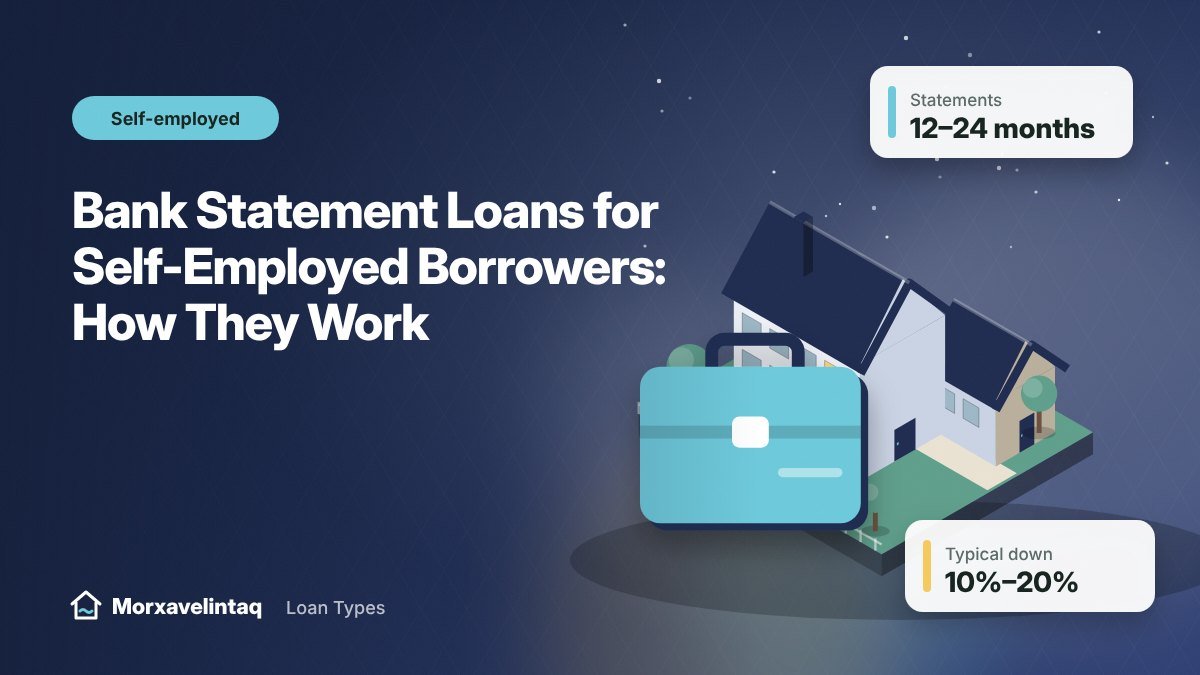
Bank statement mortgages let self-employed borrowers qualify with 12 or 24 months of deposits instead of tax returns. Learn requirements, costs and alternatives.
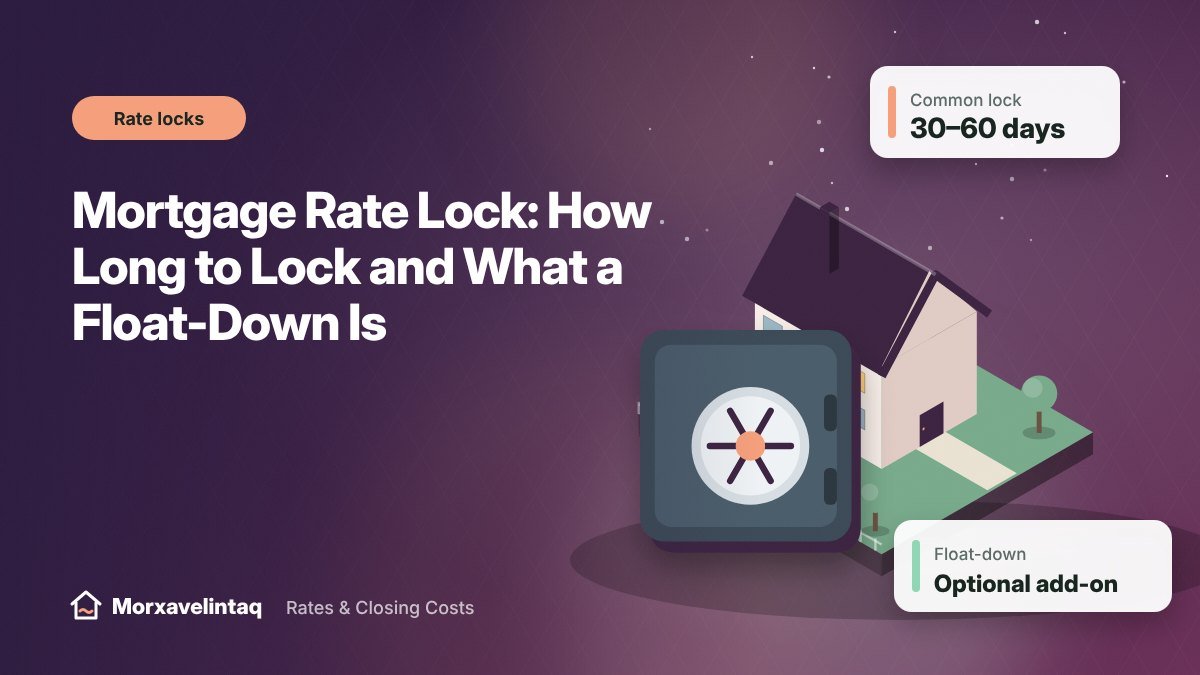
A rate lock protects your mortgage rate while your loan closes. Learn common lock periods, extension fees, how float-down options work, and when to lock.
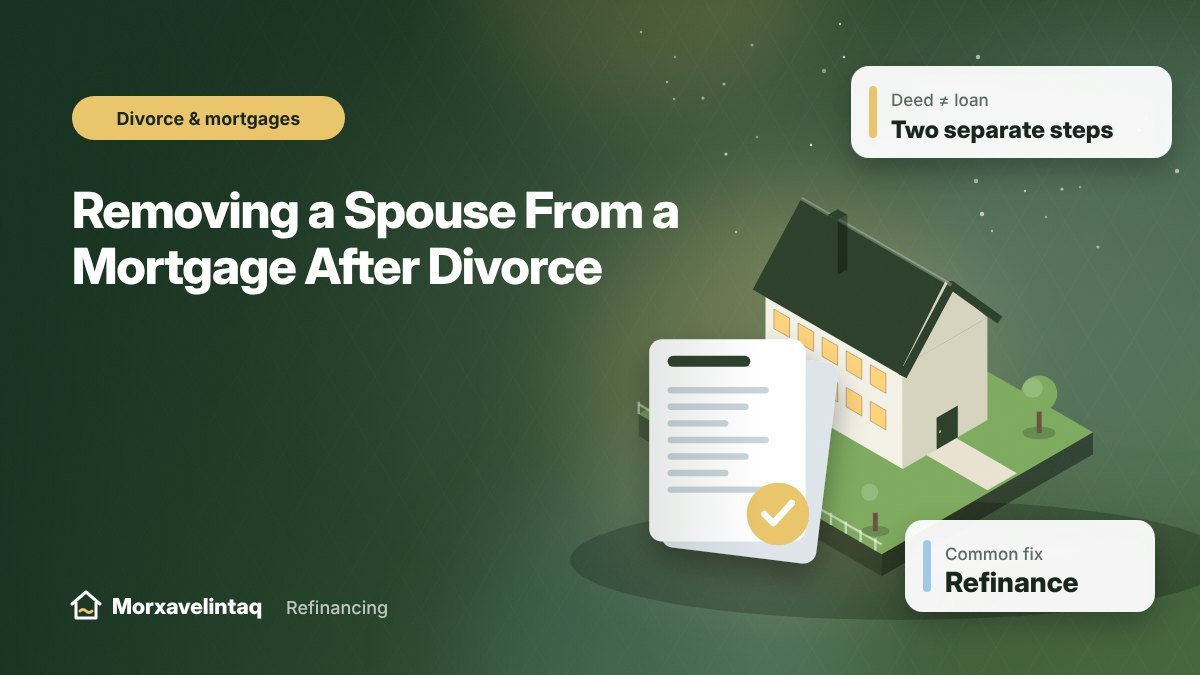
A divorce decree doesn't remove anyone from a mortgage. Learn the options to take over the home loan: refinancing, assumption, modification or selling.
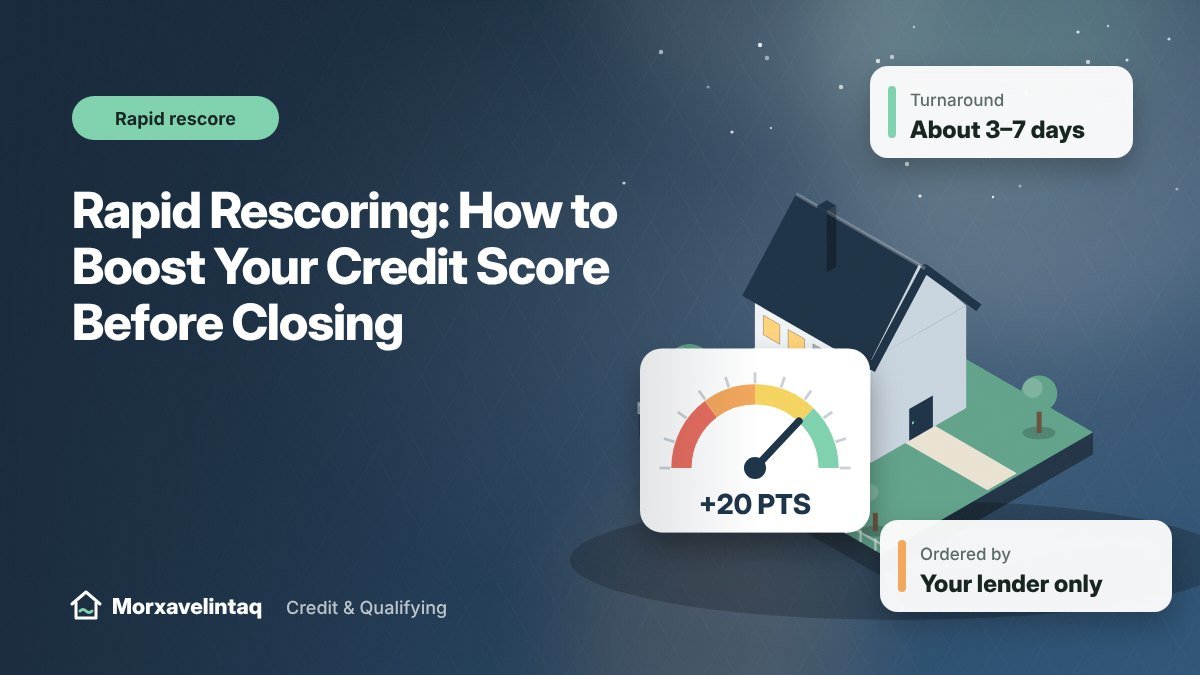
A rapid rescore updates your credit report within days after you pay down balances or fix errors. Learn how it works, what it costs, and when it pays off.
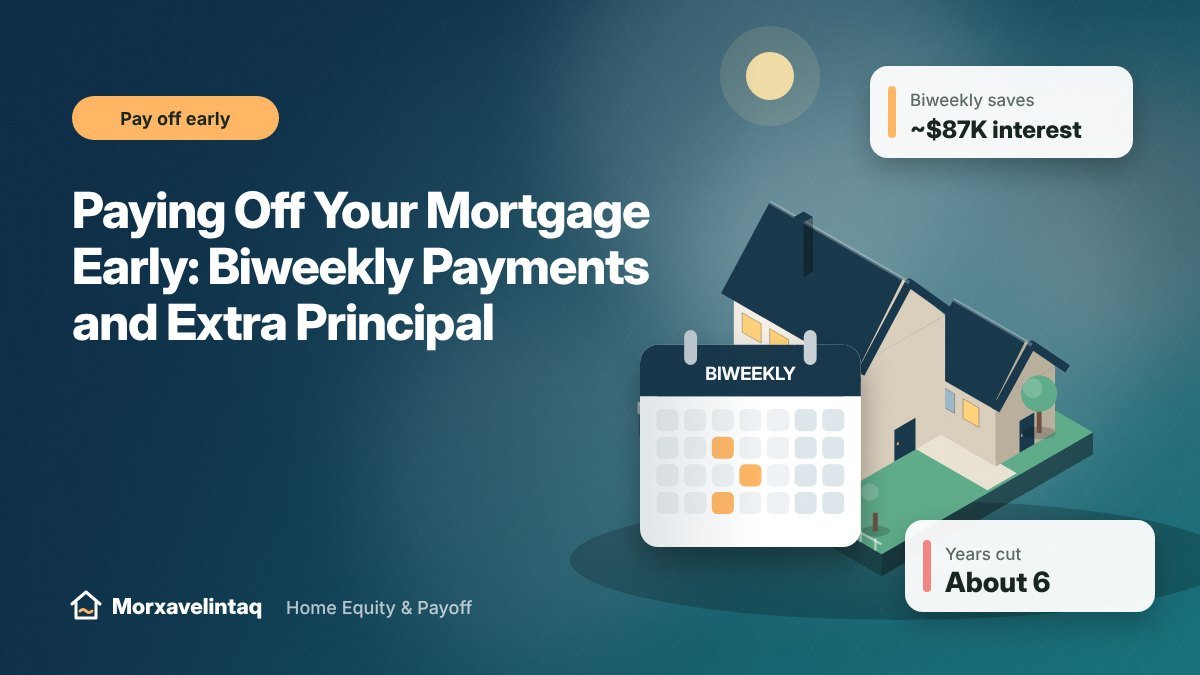
Biweekly payments and extra principal can cut years off your mortgage and save tens of thousands in interest. See the math, pitfalls, and whether to invest instead.
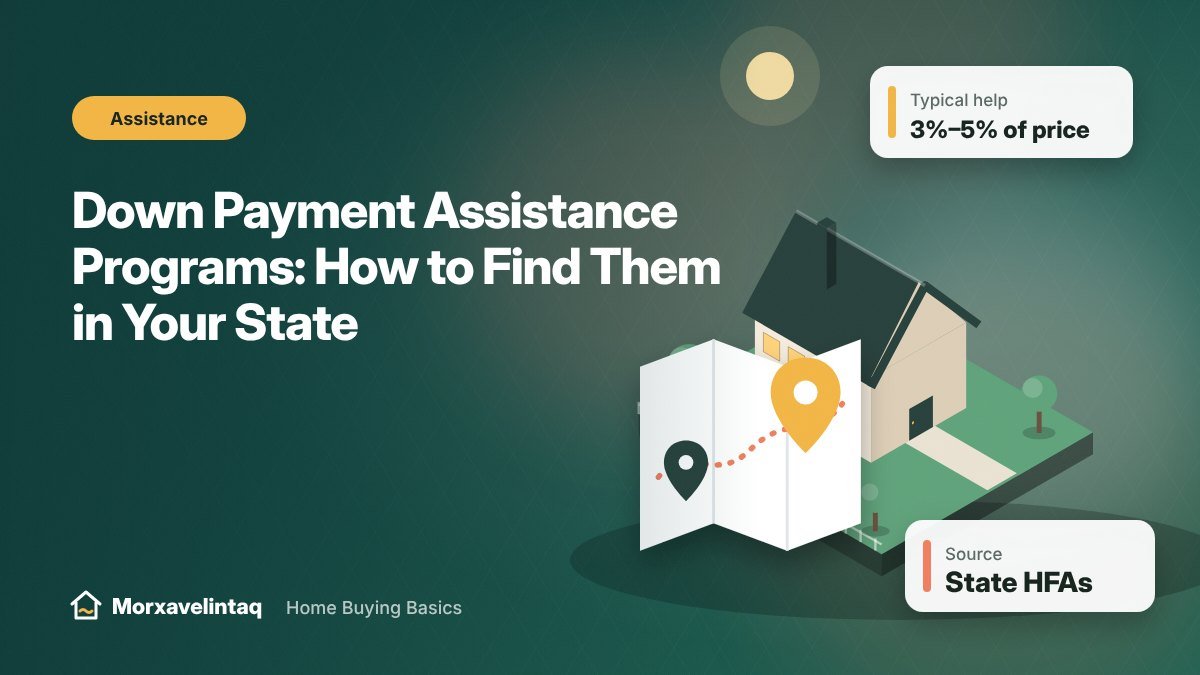
Down payment assistance can cover thousands toward your purchase. Learn the program types, who qualifies, the catches, and where to find them in your state.
A 15-year mortgage saves massive interest but raises your payment. Compare total costs on a $300,000 loan and see which term fits your budget and goals.
Your mortgage payment can rise on a fixed-rate loan because of property taxes and insurance. Learn how escrow analysis works and what to do about it.
A no-closing-cost refinance trades upfront fees for a higher rate or bigger balance. Learn how it works, the break-even math, and when it's the smart choice.
Shopping for a mortgage won't wreck your credit. Learn how the 14- to 45-day rate-shopping window works, soft vs. hard pulls, and how to shop smart.
Forbearance pauses or reduces payments temporarily; a loan modification permanently changes loan terms. Learn how each works, credit effects and how to apply.