Home Buying Basics
How Much House Can I Afford on a $60,000 Salary?
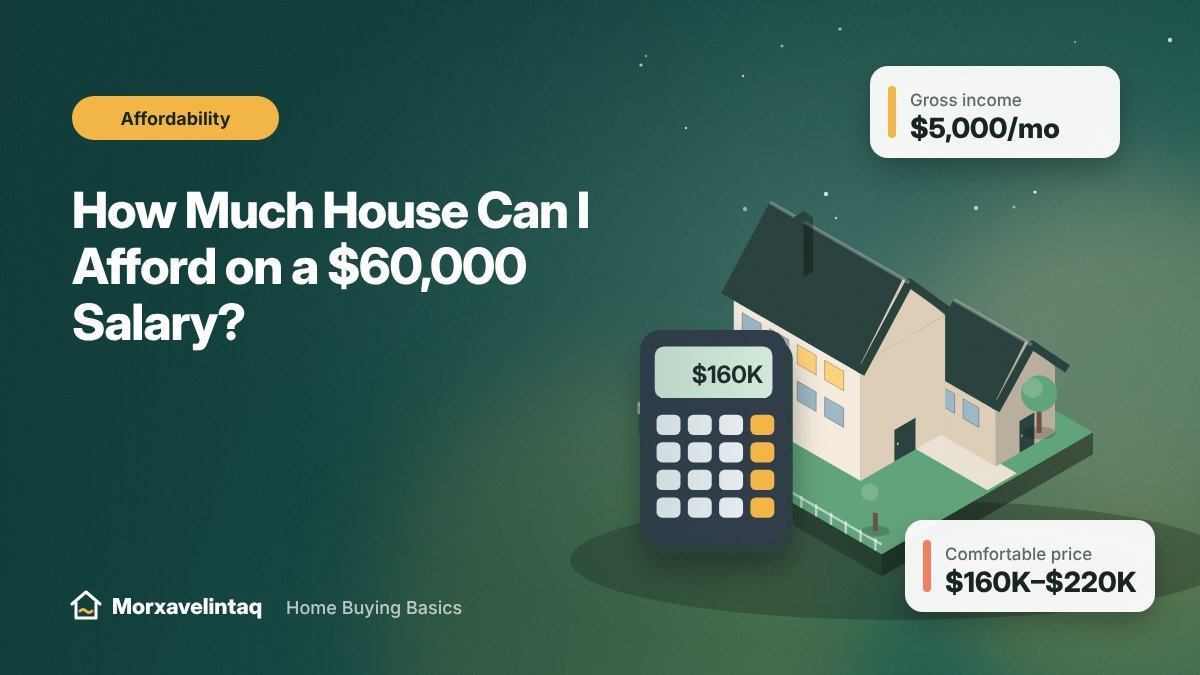
On a $60,000 salary, most buyers can afford about $160,000 to $275,000 depending on debts, down payment and loan type. See the math and how to stretch it.
Every guide we’ve published on buying, financing, refinancing and owning a home in the U.S.
On a $60,000 salary, most buyers can afford about $160,000 to $275,000 depending on debts, down payment and loan type. See the math and how to stretch it.
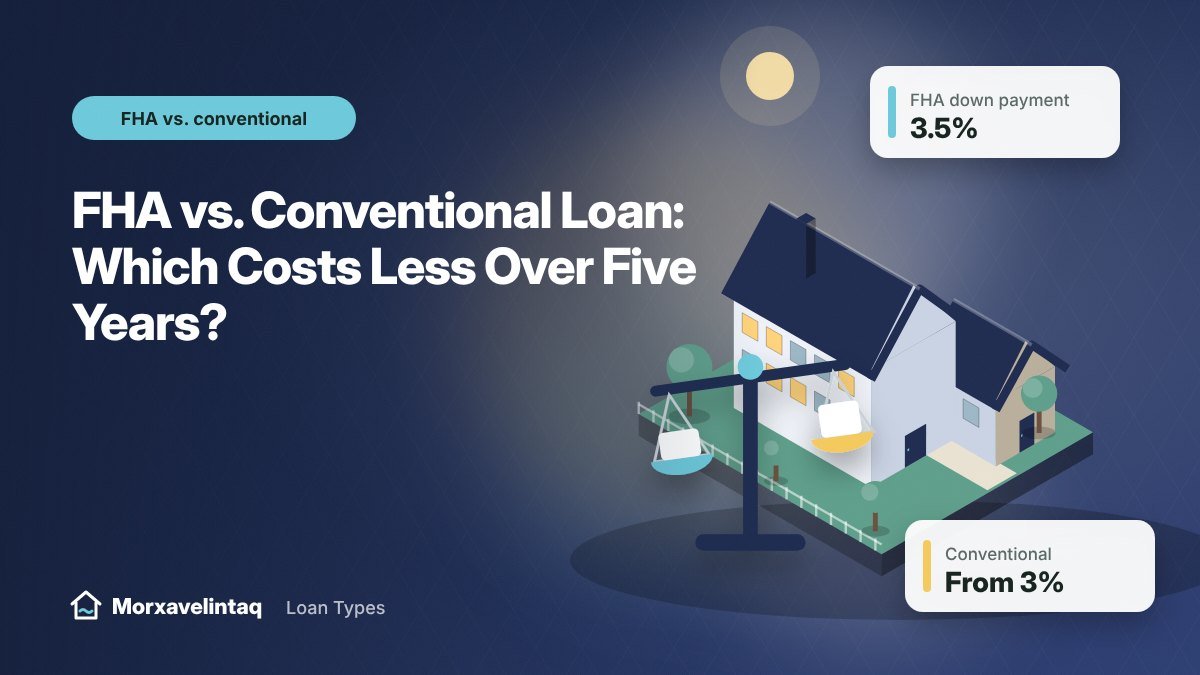
Compare FHA and conventional loans on a $300,000 home over five years: rates, mortgage insurance, upfront fees and equity. See which costs less for you.
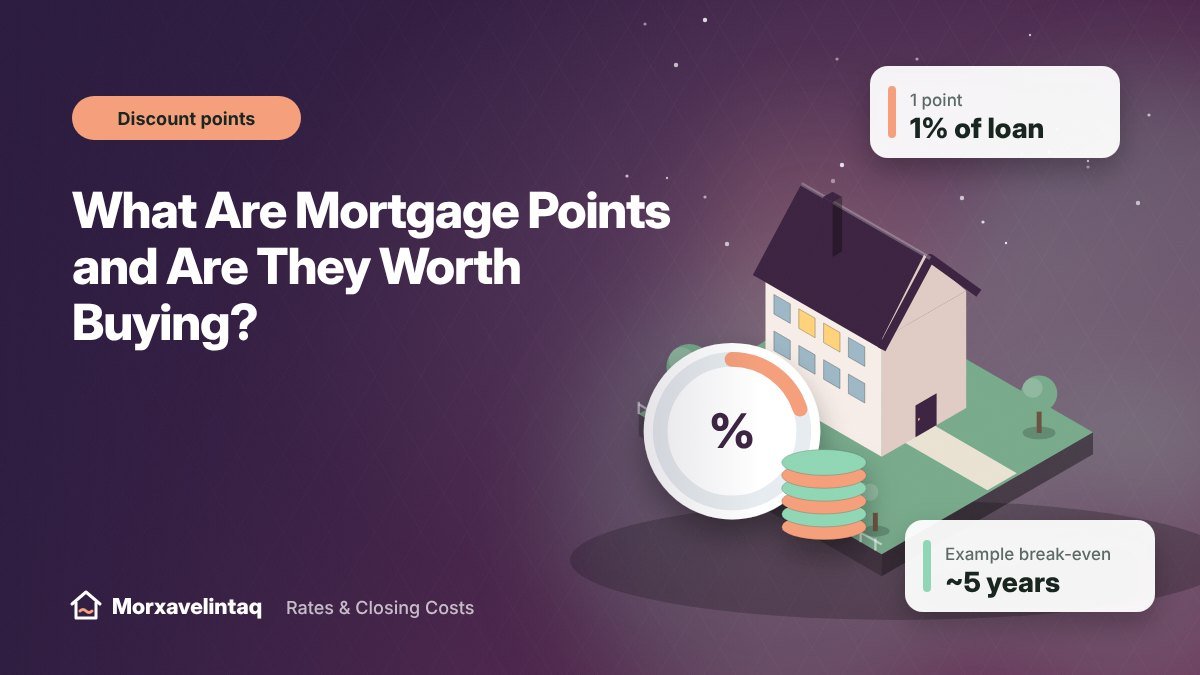
Mortgage points let you pay upfront to lower your rate. Learn what one point costs, how to find your break-even month, and when buying points makes sense.
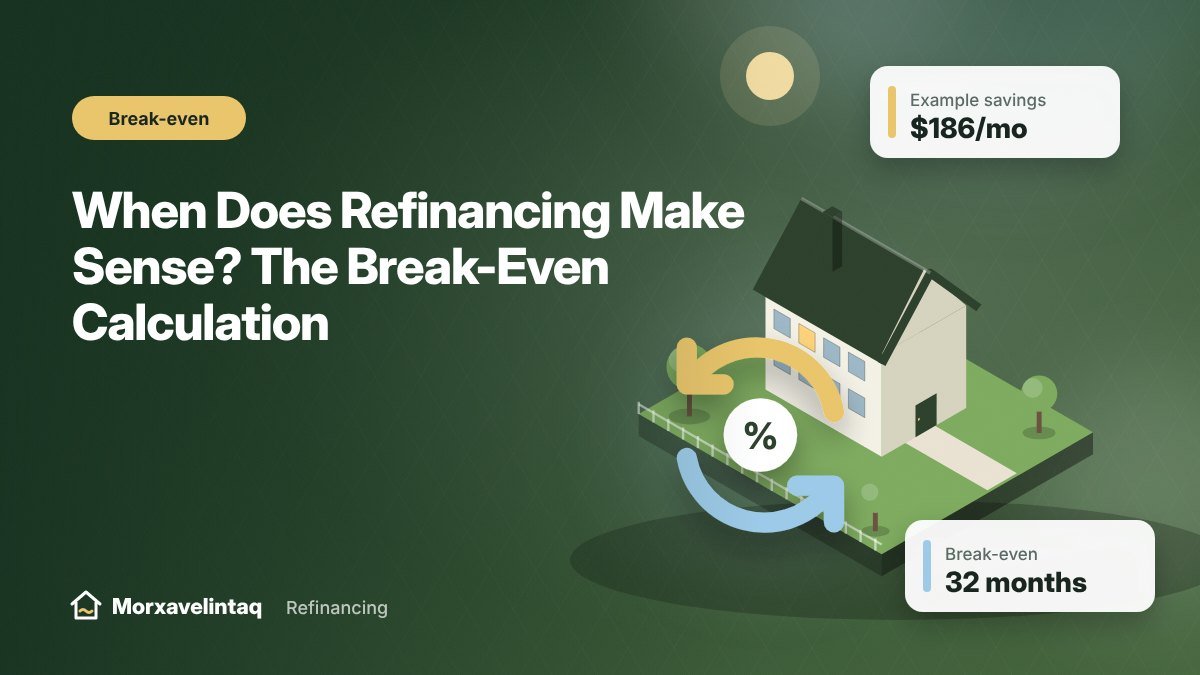
Use the refinance break-even calculation to see how many months lower payments take to repay closing costs. Includes examples and hidden factors.
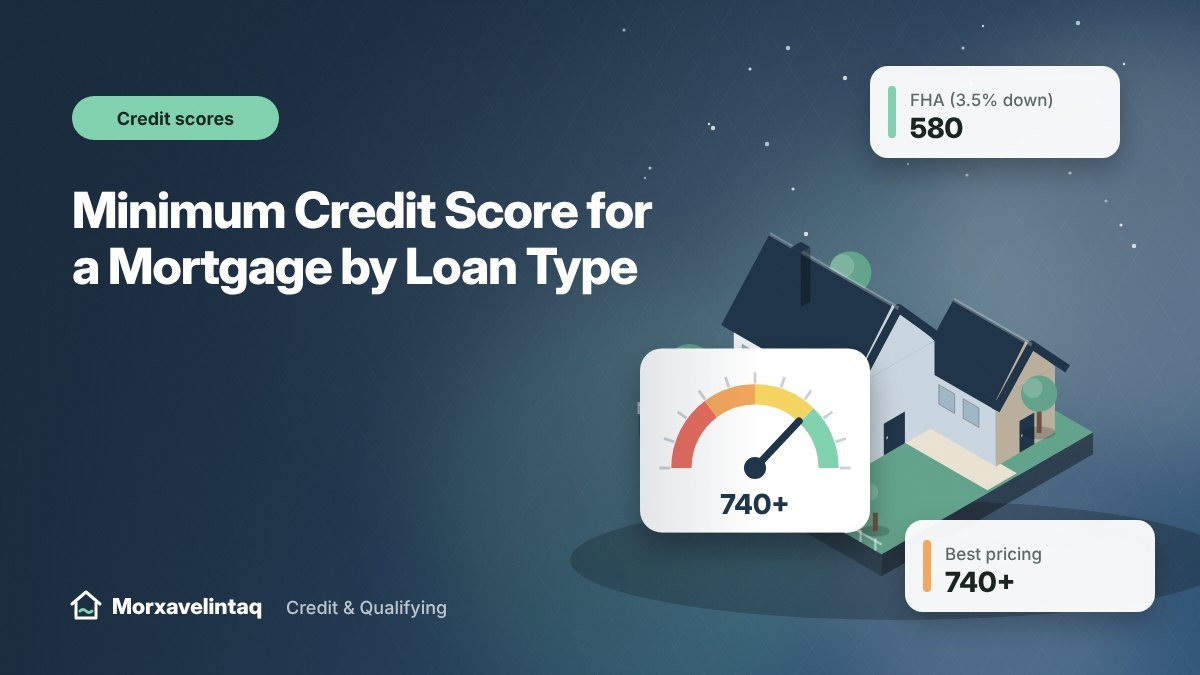
Typical minimum credit scores for FHA, VA, USDA, conventional and jumbo loans, how lender overlays work, and how your score affects rate and mortgage insurance.
Home equity is your home's value minus what you owe. Learn how to estimate value, calculate loan-to-value, and figure out how much you can borrow.
A 12-step first-time home buyer checklist: credit, savings, pre-approval, house hunting, inspection, appraisal and closing day, with timelines.
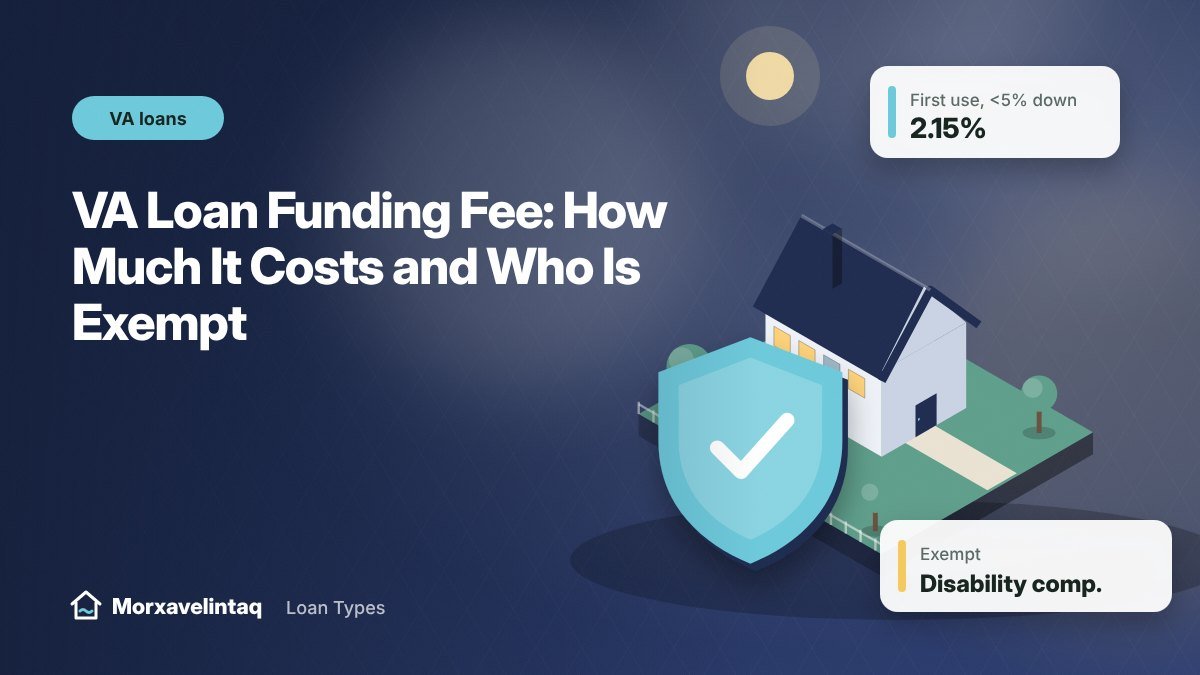
The VA funding fee ranges from 0.5% to 3.3% of the loan depending on down payment and prior use. See the fee table, who is exempt, and whether to finance it.
Understand every page of your Closing Disclosure, from loan terms to cash to close, which fees can change, and what to check during your three-day review.
Compare a cash-out refinance and a HELOC for tapping home equity: rates, costs, payment impact and when each makes sense if your first-mortgage rate is low.
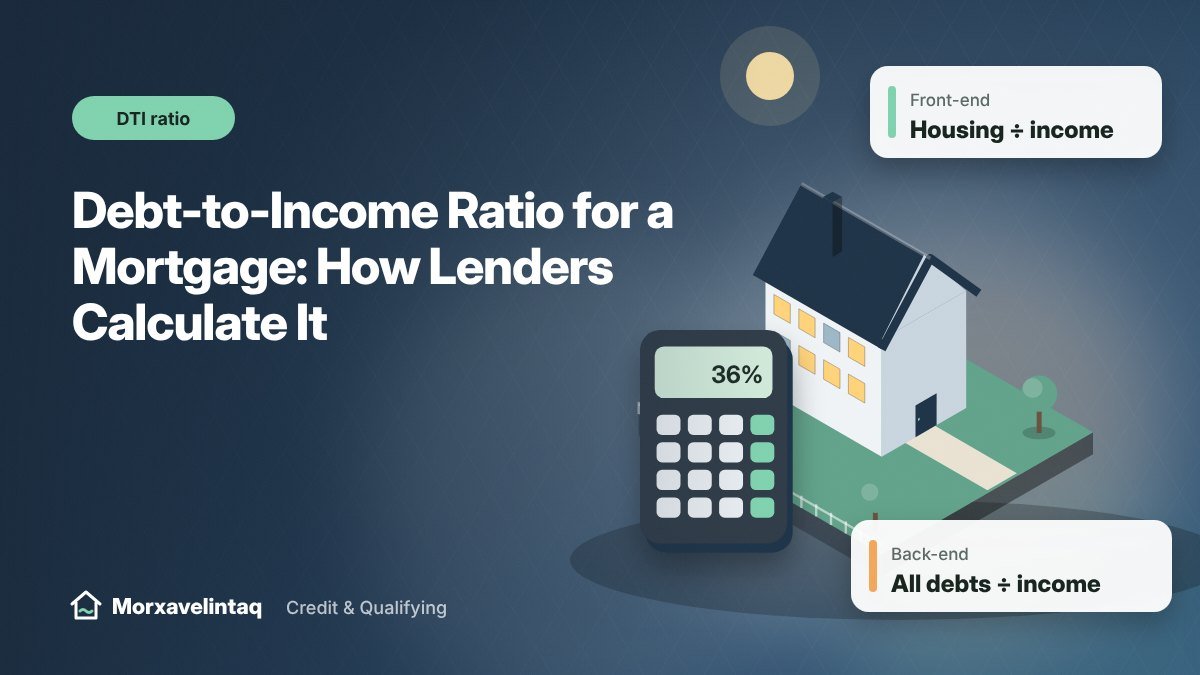
How lenders calculate front-end and back-end debt-to-income ratios, which debts count, limits for FHA, VA, USDA and conventional loans, and how to lower your DTI.
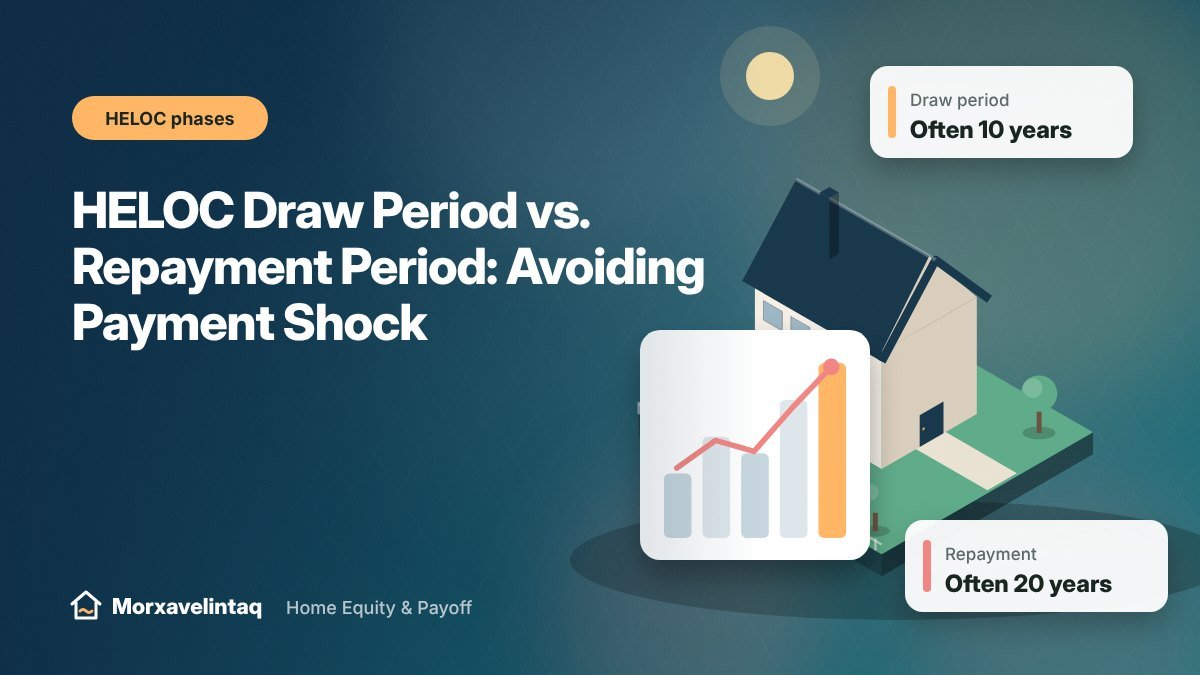
HELOC payments can jump when the draw period ends and repayment begins. Learn how both periods work, see an example, and plan ahead to avoid payment shock.