Key takeaways
- Most first-time buyers need three to six months from the first credit check to closing day.
- Get pre-approved before you tour homes seriously. Sellers expect it, and it shows your real budget.
- Never skip the inspection or ignore contract deadlines. They protect your earnest money.
- Keep your finances frozen between pre-approval and closing: no new credit, no job changes, no large unexplained deposits.
Buying your first home involves dozens of small decisions spread across several months. It feels overwhelming mostly because nobody hands you the order of operations. This checklist puts the steps in sequence, explains why each one matters, and flags the deadlines that catch first-time buyers off guard.
Phase 1: Get ready (2–6 months before you shop)
1. Check your credit reports and scores
Pull your free reports from all three bureaus at AnnualCreditReport.com and dispute any errors. Late payments, collections and high credit card balances have the biggest effect on mortgage pricing. Our guide to the minimum credit score by loan type shows where you stand.
2. Set a realistic budget
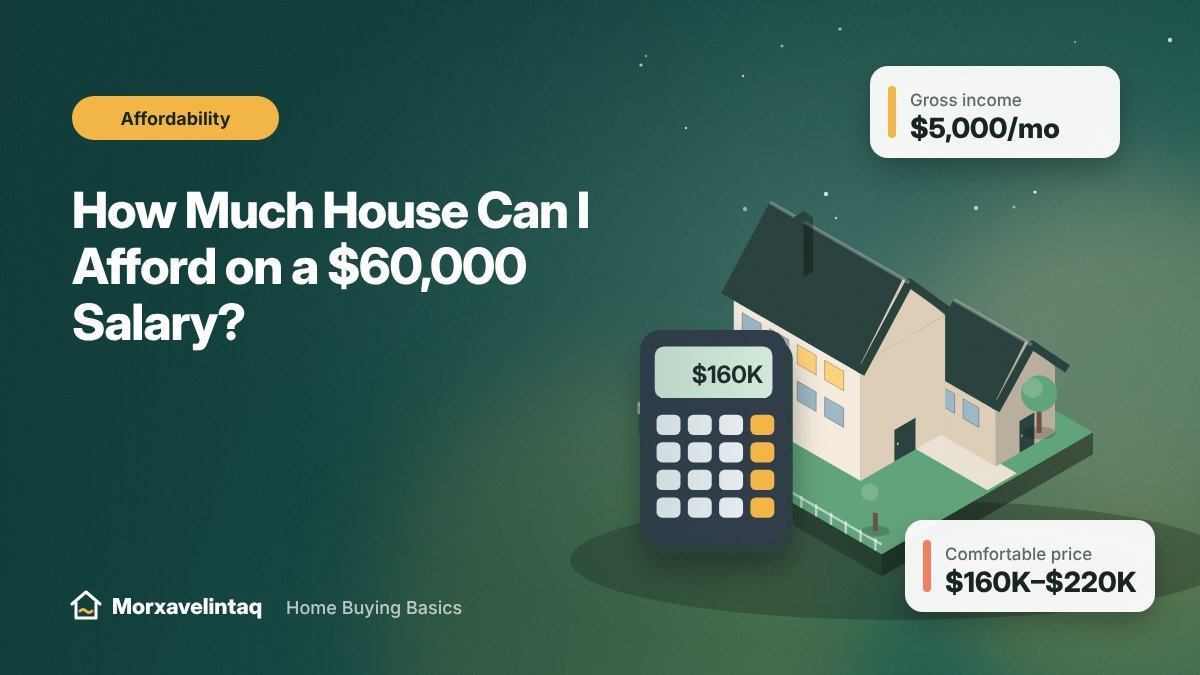
Decide what monthly payment you're comfortable with based on take-home pay, not the maximum a lender might approve. Include property taxes, homeowners insurance, mortgage insurance, HOA dues and roughly 1% of the home's value per year for maintenance.
3. Save for the down payment, closing costs and reserves
Down payments start at 3% for some conventional loans, 3.5% for FHA, and zero for VA and USDA loans. Closing costs usually add 2% to 5% of the loan amount. Keep an emergency fund separate so you're not house-rich and cash-poor on move-in day.
4. Research loan programs and assistance
Compare conventional, FHA, VA and USDA options, and look into your state housing finance agency's first-time buyer programs. Many offer down payment grants or below-market rates.
Phase 2: Get approved and find a home (1–3 months)
5. Get pre-approved by at least two or three lenders
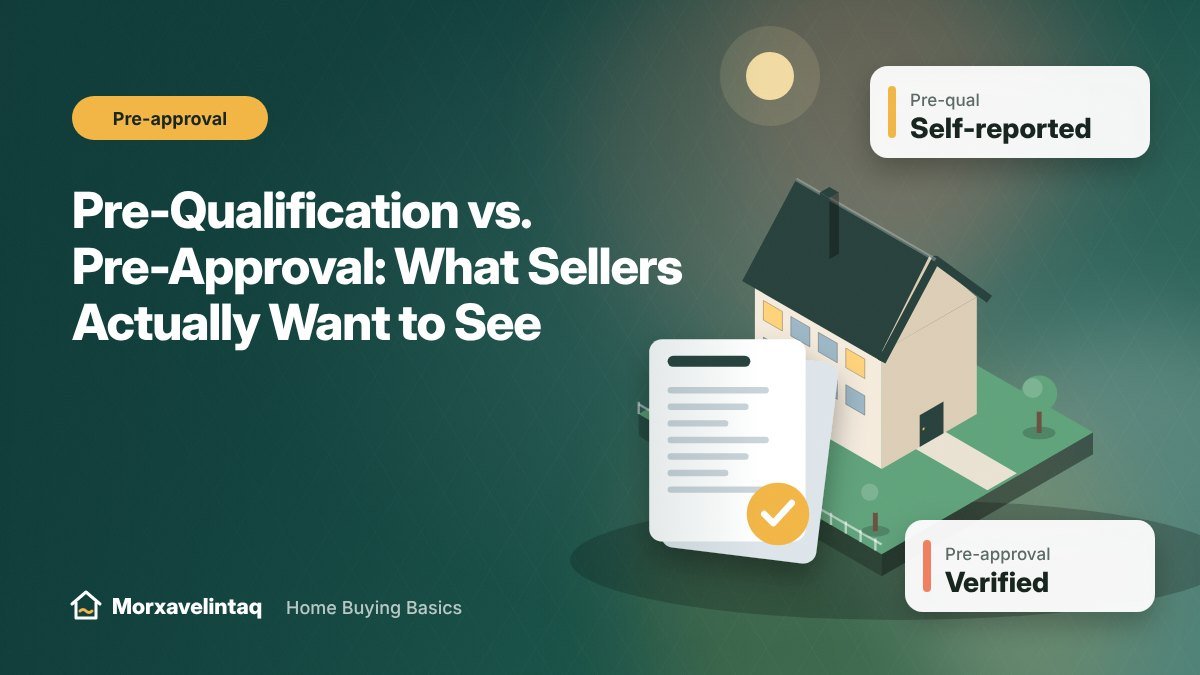
A pre-approval involves a credit check and income documentation, so it carries real weight with sellers. Shopping several lenders within a short window counts as a single inquiry for most credit scoring models. Learn the difference in pre-qualification vs. pre-approval.
6. Choose a buyer's agent
Interview two or three agents. Since rule changes in 2024, buyers sign a written agreement with their agent before touring homes, and that agreement spells out how the agent is paid. Read it carefully and ask questions.
7. Tour homes and make an offer
Your offer includes the price, earnest money amount, contingencies (inspection, appraisal and financing), and a target closing date. Your agent will help you judge local market conditions.
Phase 3: Under contract (30–45 days)
8. Deposit earnest money
Usually 1% to 3% of the price, due within a few days of acceptance. It's held in escrow and credited toward your costs at closing. See our earnest money guide.
9. Schedule the home inspection
Book it immediately. Inspection contingency periods are often only 7 to 10 days. Add specialty inspections for radon, sewer lines, termites or roofs when the general inspector recommends them.
10. Lock your rate and complete underwriting
Your lender orders the appraisal, verifies income and assets, and may ask for updated pay stubs or letters explaining deposits. Respond the same day whenever you can. Our guide on what not to do after applying lists the mistakes that derail approvals.
11. Buy homeowners insurance
Your lender needs proof of coverage before closing. Get quotes early, especially in areas exposed to wildfires, hurricanes or flooding, where coverage can take longer to arrange.
Phase 4: Closing
12. Review the Closing Disclosure, do the final walk-through, and sign
You'll receive the Closing Disclosure at least three business days before closing. Compare it to your Loan Estimate line by line. Do a final walk-through within 24 hours of closing to confirm agreed repairs are done and nothing new is broken. Then bring a valid photo ID and your funds by wire or cashier's check, as your title company instructs.
Wire fraud warning: criminals send fake emails that look like they come from your title company with new wiring instructions. Always call your title company at a phone number you find independently to confirm wiring details before sending money.
Your first-time buyer budget beyond the down payment
Many first-time buyers save diligently for the down payment and then get surprised by everything else. Before you start touring homes, set aside money for these items as well:
| Expense | Typical range | When you pay it |
|---|---|---|
| Earnest money | 1%–3% of price | Within days of offer acceptance (credited at closing) |
| Home inspection | $350–$700, more for large homes | During the inspection period |
| Appraisal | $500–$800 | Early in underwriting |
| Closing costs | 2%–5% of the loan | At closing |
| Homeowners insurance (first year) | Varies widely by state | Before or at closing |
| Moving and setup | $1,000–$5,000+ | Around closing |
| Immediate repairs and furnishings | Varies | First few months |
A good rule of thumb is to have the down payment, closing costs, and at least three months of the new housing payment saved before you make an offer. That cushion protects you if the water heater fails in month two.
How to choose the right lender and agent team
Your lender and agent will shape your experience as much as the house itself. When interviewing loan officers, ask how quickly they typically close, whether underwriting is done in-house, and how they communicate status updates. When interviewing agents, ask how many first-time buyers they've worked with in the past year, how they handle multiple-offer situations, and what their buyer agreement says about compensation and the length of the commitment. A team that responds quickly and explains things patiently is worth more than a slightly lower fee.
Frequently asked questions
How long does it take to buy a house for the first time?
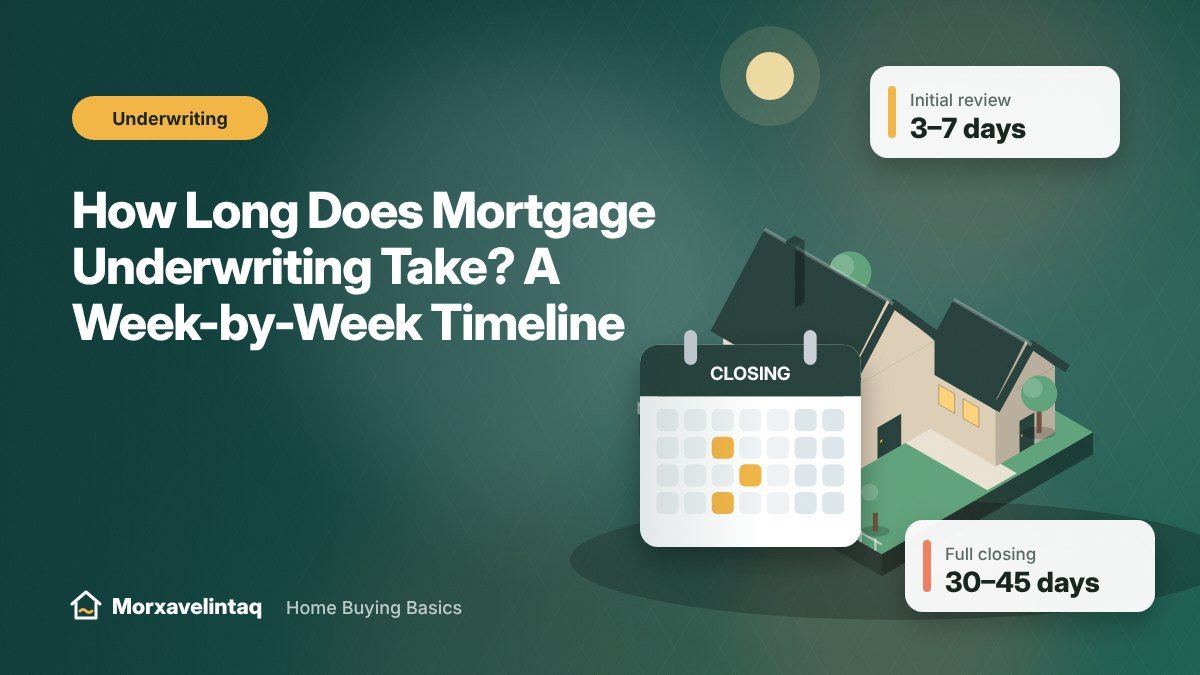
From first credit check to keys, three to six months is common. The contract-to-closing portion alone typically runs 30 to 45 days.
What's the most common first-time buyer mistake?
Opening new credit or making a large purchase before closing. Lenders recheck credit and employment right before funding, and a new debt can change your approval.
Do I need 20% down?
No. Many conventional loans allow 3% down, FHA allows 3.5%, and eligible VA and USDA borrowers can put nothing down. Putting less than 20% down on a conventional loan usually means paying private mortgage insurance until you build equity.