Key takeaways
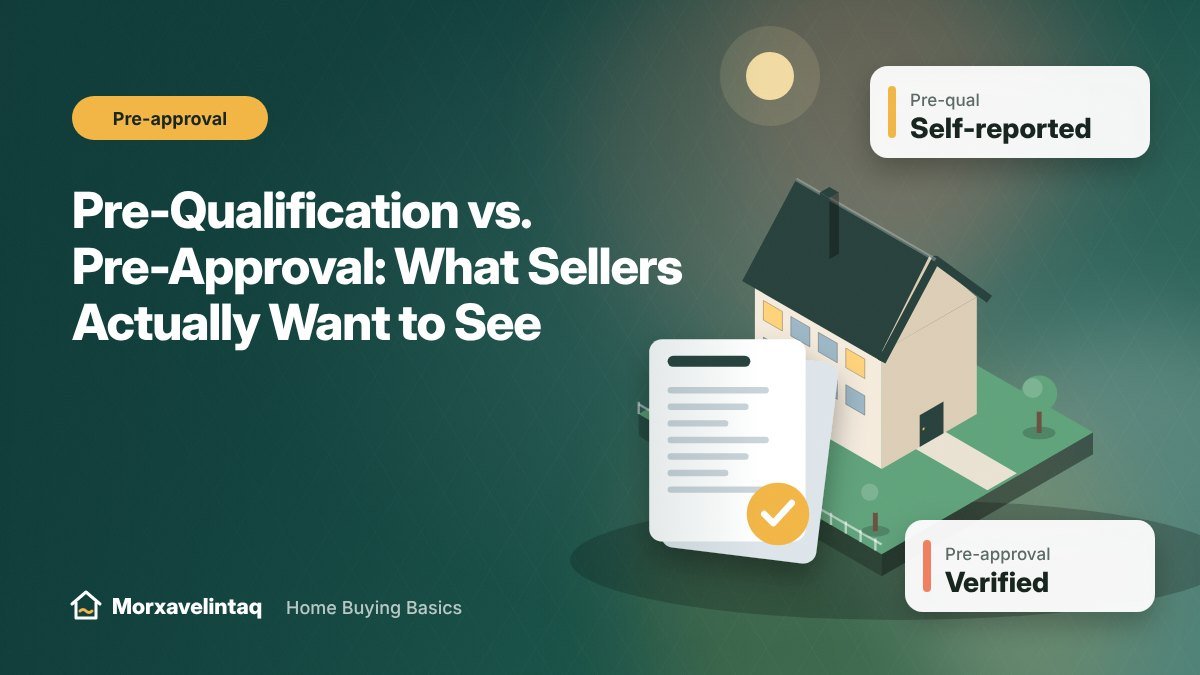
- Pre-qualification is an estimate based on information you report. It's fast but carries little weight with sellers.
- Pre-approval means a lender has pulled your credit and reviewed documents like pay stubs, W-2s and bank statements.
- Sellers and listing agents expect a pre-approval letter with offers in most markets.
- Neither is a final loan commitment. Approval still depends on the property, the appraisal and your finances staying stable.
Lenders use the terms "pre-qualified" and "pre-approved" in different ways, which leaves buyers wondering which one they actually need. The Consumer Financial Protection Bureau has noted that the labels aren't standardized, so what matters is not the word on the letter but how much the lender actually checked. Here's how to tell them apart and how to get a letter that strengthens your offer.
What pre-qualification means
Pre-qualification is usually a short conversation or online form. You tell the lender your income, debts, savings and estimated credit score, and the lender estimates how much you might be able to borrow. Many lenders do this with a soft credit pull or no credit pull at all.
It's useful early on, when you're deciding whether to start house hunting this year or next, or comparing whether FHA or conventional makes more sense. But because nothing is verified, a seller can't rely on it.
What pre-approval means
Pre-approval is a deeper review. The lender pulls your credit with a hard inquiry, runs your file through an automated underwriting system such as Fannie Mae's Desktop Underwriter or Freddie Mac's Loan Product Advisor, and checks supporting documents. The result is a letter stating a maximum loan amount and loan type, usually valid for 60 to 90 days.
| Pre-qualification | Pre-approval | |
|---|---|---|
| Credit check | Often none or soft pull | Hard pull, full report |
| Income verified | No | Yes: pay stubs, W-2s, tax returns |
| Assets verified | No | Yes: bank and retirement statements |
| Underwriting system | Rarely | Usually run through DU or LPA |
| Time to complete | Minutes | One to three business days |
| Weight with sellers | Low | Moderate to high |
Documents you'll need for pre-approval
- Government-issued photo ID
- Pay stubs covering the most recent 30 days
- W-2s for the past two years (or 1099s if you're a contractor)
- Federal tax returns for the past two years if you're self-employed, earn commission, or own rental property
- Two months of statements for every checking, savings and investment account you'll use
- Explanations for large non-payroll deposits
- Divorce decree or child support orders, if applicable
- Gift letters, if family is helping with the down payment
Going a step further: verified or underwritten approval
Some lenders offer a "verified approval" or "fully underwritten pre-approval," where an actual underwriter signs off on your income and credit before you find a home. The only remaining conditions are property-related, like the appraisal and title. In competitive markets, this can make your offer look almost as strong as a cash offer, and it reduces surprises later.
How sellers read your letter
Listing agents often call the lender named on the letter. A responsive loan officer who can confirm your file was fully reviewed helps your offer. Some tips:
- Match the letter to the offer. Ask your lender to issue a letter for the exact offer price rather than your maximum, so you don't reveal your full budget.
- Use a local or well-known lender when possible. Listing agents tend to trust lenders they've closed with before.
- Keep it current. If your letter is more than 60 days old, ask for an updated one.
Does pre-approval hurt your credit?
A hard inquiry can lower your score by a few points temporarily. FICO models treat multiple mortgage inquiries within a short window as a single inquiry, so you can compare two or three lenders without stacking damage. We explain the details in do mortgage inquiries hurt your credit.
What to do if your pre-approval amount is lower than expected
It's common to get a pre-approval that comes in below the price range you had in mind. Before you lower your sights, ask the loan officer exactly what's limiting the amount. The answer usually falls into one of a few buckets, and some are fixable within weeks:
- Debt-to-income ratio: paying off a small installment loan or a credit card balance can free up room quickly.
- Credit score tier: if you're a few points below a pricing threshold, paying down card balances and asking about a rapid rescore can help.
- Property tax and insurance assumptions: lenders estimate these conservatively. If you're targeting a lower-tax area, ask for a scenario with realistic local numbers.
- Loan program: ask the lender to run both conventional and FHA scenarios; one may allow a higher amount for your profile.
- Income documentation: overtime, bonus or part-time income may not be counted until you provide a two-year history.
Remember that a lower pre-approval can be a useful warning, not just an obstacle. If the lender's math says a payment stretches your income, your take-home budget will probably feel it too.
Updating your letter as you shop
Most lenders can issue a new letter in a few hours once you're pre-approved. If you find a home priced below your maximum, ask for a letter at that price. If a home costs slightly more, the lender can often update the letter after rechecking the numbers, as long as you still qualify. Keep your loan officer's cell number handy on weekends, when many offers are written.
Frequently asked questions
Can a pre-approval be denied later?
Yes. Pre-approval isn't a final commitment. A low appraisal, new debt, a job change, or problems with the property's title can still stop the loan.
How long is a pre-approval valid?
Typically 60 to 90 days, mainly because credit reports and pay stubs go stale. Lenders can refresh it with updated documents.
Should I get pre-approved before finding an agent?
It's a good idea. Many agents ask for a pre-approval before showing homes, and knowing your budget keeps your search focused.